Scandinavian Staging That Sells: The 2026 Style Guide
Discover the exact paint colors, wood tones, and textile rules to execute Scandinavian home staging that actually moves properties in 2026.
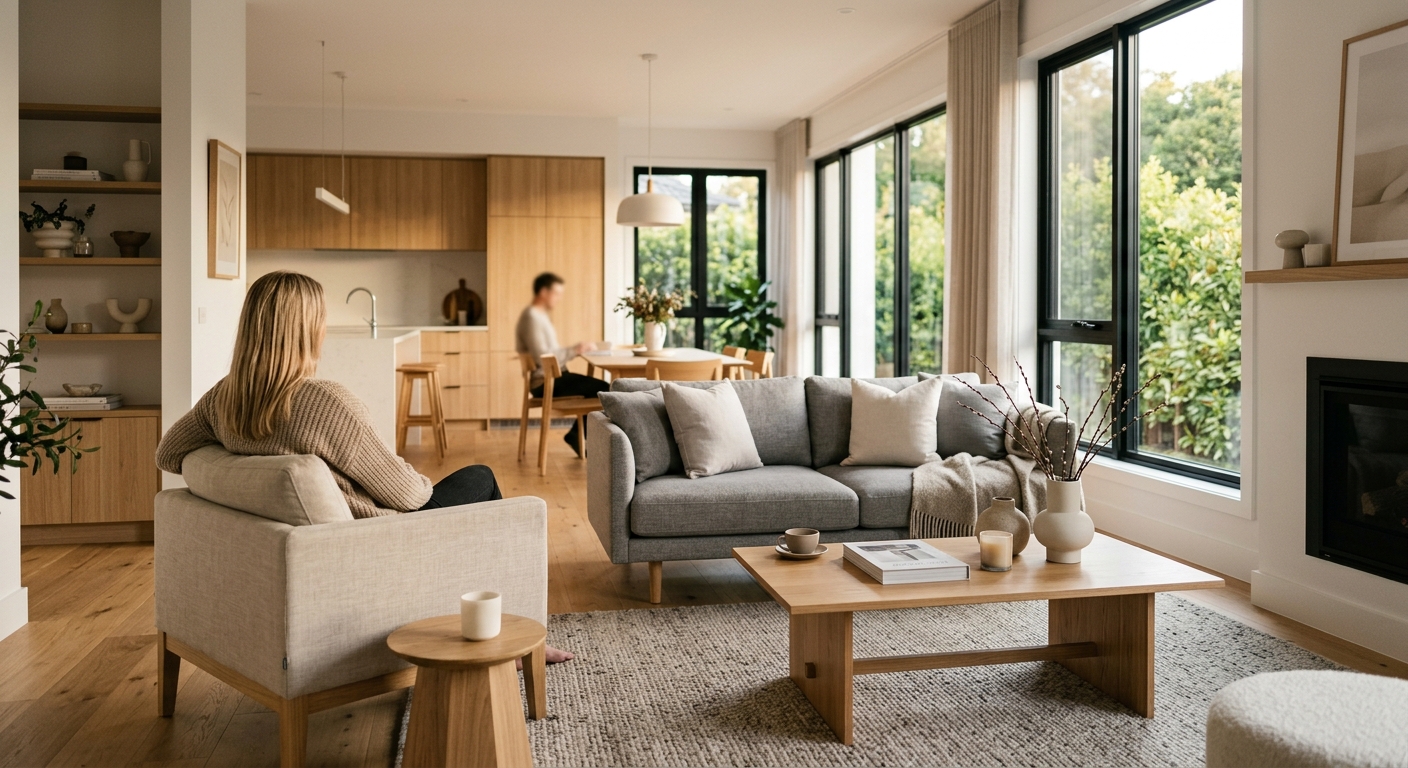
TL;DR: Scandinavian home staging is no longer just a trend; it is a mathematical advantage for property listings, reducing days on market by stripping visual clutter while retaining warmth. By adhering to strict palettes like Farrow & Ball Strong White, favoring ash and oak over walnut, and utilizing the 70/20/10 textile rule, agents can appeal to the highest denominator of buyers. Virtual platforms like FramePilot AI now allow you to apply this exact aesthetic digitally, saving thousands in physical staging costs while maintaining peak listing performance.
Data from the 2026 Zillow Home Features Report shows that listings featuring light wood tones and minimalist staging close 14% faster than those with traditional transitional decor. Buyers are exhausted by visual noise. They do not want to inherit heavy, dark living rooms or sterile, gray-washed boxes. Scandinavian home staging offers the exact antidote: a curated, breathable aesthetic that allows the architecture of a property to do the heavy lifting while still feeling distinctly livable. We have moved past the era of throwing a sheepskin rug over an acrylic chair and calling it Nordic. Real scandi interior staging requires a disciplined approach to color theory, organic textures, and spatial planning.The Foundations of Nordic Home Staging: Wall Colors
The biggest mistake staging professionals make when attempting a Scandinavian look is defaulting to stark, hospital white. Nordic home staging relies heavily on how natural light interacts with subtle undertones on the walls. When you use a pure, un-tinted white, the shadows in a room turn a depressing gray, making the space feel cold rather than inviting. You must use whites that carry a drop of warmth, specifically formulated to absorb and reflect ambient light beautifully.
Our go-to standard across hundreds of successful listings is Farrow & Ball Strong White (No. 2001). Despite its name, it carries a subtle gray-warm undertone that provides a perfect, soft backdrop for natural wood. Alternatively, Jotun Lady 1453 Egghvit is a staple in actual Scandinavian homes, offering a creamy resilience that prevents north-facing rooms from looking institutional. If a seller refuses to repaint, your staging elements must work twice as hard to neutralize whatever beige or gray is currently dominating the space.
When selecting your foundational palette, stick to these proven rules:
- Always test paint in the room's darkest corner, not just near the window.
- Use flat or matte finishes for walls to absorb light softly; avoid eggshell unless dealing with high-moisture areas.
- Keep ceilings and trim a cleaner, brighter white (like Farrow & Ball All White) to draw the eye upward and expand the perceived volume of the room.
- If the property has existing warm-toned brick or stone, lean into warmer whites to bridge the architectural gap seamlessly.
Wood Tones and Textures: Getting the Balance Right
Wood is the heartbeat of scandinavian home staging. It grounds the airy color palette and prevents the rooms from feeling like an art gallery. However, mixing the wrong wood species is an instant conversion killer. The objective is to use light, raw-looking woods that exhibit minimal grain contrast. Dark walnut, mahogany, and heavily stained cherry have absolutely no place in this aesthetic. They absorb too much light and anchor the eye to the floor, shrinking the perceived square footage.
Instead, your staging inventory should heavily feature white oak, ash, and pale birch. These species reflect light and naturally complement the warm whites on the walls. To prevent the wood from looking flat, we apply the 70/20/10 textile rule to our staging installations. This means 70% of the room's soft materials should be foundational (linen, cotton in neutral tones), 20% should introduce tactile contrast (bouclé, chunky wool), and 10% should offer a sharp accent (matte black metal, smooth leather).
When curating the material palette for a listing, ensure you include:
- A foundational jute or flat-weave wool rug to anchor the primary seating area.
- Linen drapery hung as high and wide as possible to maximize window presence.
- Matte ceramics in muted earth tones to style shelving and kitchen counters.
- Small touches of matte black hardware (like a floor lamp or cabinet pulls) to provide necessary visual contrast.
The Three Must-Have Furniture Pieces
In scandi interior staging, less truly is more, which means the pieces you do include must carry significant visual weight without looking physically heavy. Every item must serve a purpose and feature clean, organic lines. You cannot hide cheap, clunky furniture behind excessive throw pillows. The architecture of the furniture itself is what creates the high-end appeal that buyers are willing to pay a premium for.
First, you need a low-profile sofa with track arms or soft, rounded edges, preferably upholstered in a light gray or oatmeal linen. It should have visible legs, ideally in white oak or matte black metal, to keep sightlines clear underneath. Second, introduce a statement lounge chair featuring a wood frame and woven paper cord or leather strapping. This adds immediate architectural interest and looks excellent in listing photos from any angle. Third, a minimalist dining table in solid ash or oak serves as the gathering point of the home.
When sourcing or rendering these pieces, look for these specific characteristics:
- Sofas: Avoid overstuffed, rolled arms. Look for bench-seat cushions and exposed framing.
- Chairs: Replicas of Hans Wegner or Alvar Aalto designs are standard staging workhorses that instantly telegraph the style.
- Coffee Tables: Round or organic shapes work best to break up the linear rigidity of the room.
- Lighting: An oversized paper lantern or a matte metal dome pendant draws the eye without cluttering the upper half of the room.
Japandi Staging vs. Traditional Scandinavian Staging
As we move through 2026, japandi staging has emerged as a dominant offshoot of the traditional Nordic look. Japandi blends Scandinavian functionality with Japanese wabi-sabi—an appreciation for imperfection and natural materials. While traditional Scandi can sometimes lean a bit cool or overly bright, Japandi grounds the space with deeper, richer earth tones and lower-profile furniture.
According to the NAR 2025 Profile of Home Staging, properties staged in a Japandi style saw an 8% higher perceived value among buyers under 40 compared to traditional transitional staging. The difference lies in the contrast. Japandi allows for slightly darker wood accents (like smoked oak) and incorporates rich clay, terracotta, and olive greens into the textile mix. It feels slightly more deliberate and grounded.
| Staging Style | Primary Wood Tones | Key Accent Colors | Average Cost per Room (Physical) | Virtual Staging Cost (FramePilot AI) |
|---|---|---|---|---|
| Traditional Scandinavian | White Oak, Birch, Ash | Soft Gray, Muted Blue, Sage | $850 - $1,200 | $25 - $40 |
| Japandi Staging | Smoked Oak, Walnut, Ash | Terracotta, Olive, Charcoal | $950 - $1,400 | $25 - $40 |
| Transitional | Dark Espresso, Cherry | Navy, Beige, Gold | $700 - $1,000 | $25 - $40 |
| Modern Farmhouse | Reclaimed Wood, Pine | Black, White, Forest Green | $800 - $1,100 | $25 - $40 |
What to Avoid: The Death of Gray-on-Gray
The fastest way to ruin a Scandinavian staging attempt is to fall back into the mid-2010s trap of gray-on-gray styling. Cold gray walls, matched with a gray sectional, topped with gray pillows, creates a depressing, sterile environment. The Nordic aesthetic is about warmth and light, not creating a monochromatic bunker. If your primary sofa is gray, your walls must be a warm white, and your accents must include rich wood tones and warm textiles to balance it out.
Another major offense is the overuse of fake, plastic-looking plants. While a fiddle leaf fig was mandatory five years ago, buyers now immediately spot the artificial shine of cheap greenery. If you cannot maintain real plants in a vacant listing, opt for dried branches, preserved eucalyptus, or high-quality dried pampas grass in a heavily textured ceramic vase. These provide the organic element without the cheap, plastic reflection in listing photos.
Keep these absolute dealbreakers out of your Scandi listings:
- Heavy, dark drapery that blocks natural light or pools excessively on the floor.
- Matching furniture sets (e.g., buying the sofa, loveseat, and armchair all from the exact same collection).
- Mirrored furniture or high-gloss chrome finishes; stick to brushed brass or matte black.
- Over-styling bookshelves with useless trinkets; leave at least 30% of shelf space completely empty to let the room breathe.
Virtual Scaling with FramePilot AI
Executing high-level scandinavian home staging physically requires a massive, expensive warehouse of specific inventory. Sourcing authentic-looking white oak dining tables and linen sofas ties up capital and slows down your listing velocity. This is where the industry is aggressively pivoting. By capturing high-quality photography of a vacant (or decluttered) property, you can apply this exact stylistic recipe digitally.
When you run a vacant living room through FramePilot AI, you can specifically prompt for "Japandi staging with low-profile linen seating and a smoked oak coffee table." The system understands the lighting physics of Farrow & Ball paints and the correct scale of a Hans Wegner chair. Recently, we mocked up a difficult, narrow living room using FramePilot AI. By injecting a light ash credenza and a minimalist bouclé sofa via the platform, the space transformed from a structural liability into a major selling feature, all without moving a single piece of heavy furniture.
The advantages of applying this style digitally include:
- Zero inventory holding costs or damage liabilities during the showing process.
- The ability to A/B test a traditional Nordic look against a deeper Japandi aesthetic on your listing to see which generates more clicks.
- Perfect scaling and lighting integration that looks indistinguishable from physical staging.
- Immediate turnaround times, allowing you to list the property days or weeks faster.
FAQ
What is the difference between Nordic and Scandinavian staging?
There is no practical difference; the terms are used interchangeably in real estate marketing. Both refer to a minimalist, function-driven design aesthetic that prioritizes natural light, light wood tones (like oak and ash), and a neutral, warm-white color palette to make spaces feel larger and more inviting.
Can I use dark floors with Scandinavian staging?
Yes, but you must balance them carefully. If a property has dark walnut or espresso floors, use large, light-colored area rugs (like a massive cream flat-weave) to break up the darkness. Keep all furniture legs light or metallic, and ensure wall colors are a bright, warm white.
What is the 70/20/10 rule in staging?
The 70/20/10 rule refers to the distribution of textiles and materials. 70% of the room should be foundational neutral materials (linen, cotton), 20% should be textural contrast (bouclé, wool, rattan), and 10% should be a sharp accent (matte black hardware, smooth leather) to ground the space.
Why is Japandi staging becoming so popular?
Japandi staging combines the clean lines of Scandinavian design with the warmth and rich earth tones of Japanese wabi-sabi. It photographs beautifully for real estate listings, offering a slightly more sophisticated, higher-end feel than standard bright-white Scandi, which appeals heavily to millennial and Gen Z buyers.
How does virtual staging handle complex lighting?
Modern platforms understand how light interacts with specific materials. If you use a tool like FramePilot AI, the system calculates the ambient light from the windows in your original photo and casts accurate, soft shadows around the virtually placed white oak tables and linen sofas, ensuring photorealism.
Scale Your Staging Strategy Today
Mastering the nuances of light woods, warm whites, and tactile fabrics is what separates a listing that sits from a listing that sells above asking. Buyers are craving the calm, breathable environments that this aesthetic delivers. You do not need to invest thousands of dollars into a physical inventory of linen sofas and ash dining tables to offer this premium look to your sellers.
Stop losing days on market waiting for physical stagers to source the right pieces. You can apply flawless, mathematically perfect Japandi or Nordic styling directly to your property photos in minutes. Take control of your listing aesthetics and drive higher buyer intent by rendering your next vacant property with FramePilot AI.