Clear the Path to a Sale: How AI Furniture Removal is Revolutionizing Real Estate Marketing
Discover how AI furniture removal helps real estate agents sell faster by creating clean, spacious listing photos through FramePilot AI’s advanced technology.
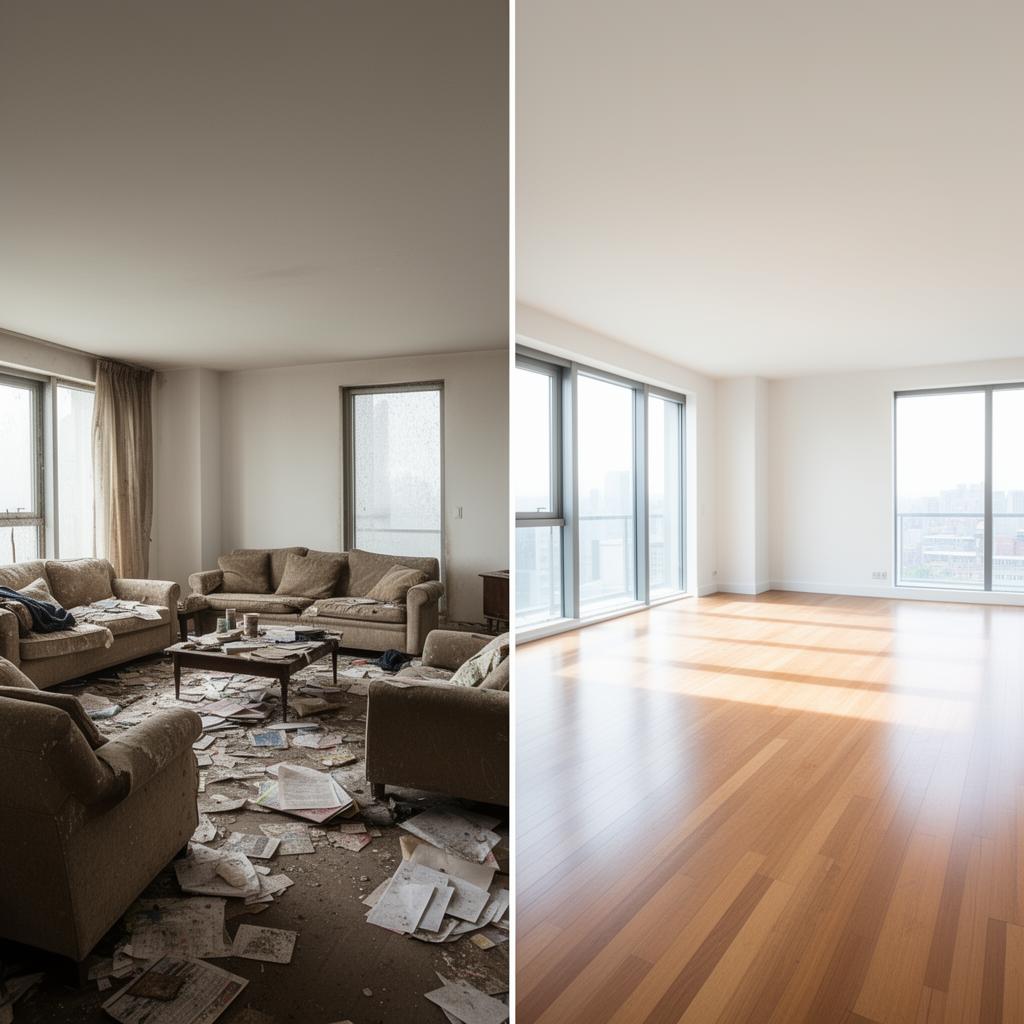
Clear the Path to a Sale: How AI Furniture Removal is Revolutionizing Real Estate Marketing
In the competitive world of real estate, first impressions are everything. When a potential buyer scrolls through a listing on a portal like Zillow or Redfin, they aren't just looking at a house; they are looking for a future home. However, it is often difficult for a buyer to visualize their life in a space that is currently cluttered with someone else’s outdated sofa, mismatched rugs, or personal memorabilia.
Traditionally, real estate agents faced a difficult choice: leave the clutter, pay for expensive physical haul-away services, or spend hundreds of dollars on manual Photoshop editing. Today, a new player has changed the game. AI furniture removal—led by innovators like FramePilot AI—is transforming how property professionals prepare their listings for the market.
Why Empty Rooms Sell Better in Certain Markets
There is a common debate in real estate: to stage or not to stage? While staging is highly effective, the "blank canvas" approach is often superior for specific scenarios.
1. Visualizing Space and Dimensions
Cluttered rooms look smaller. Shadows cast by bulky furniture and the lack of visible floor space can make a generous 200-square-foot bedroom feel cramped. By removing the furniture, you allow the buyer to see the true dimensions of the room, from corner to corner.
2. Eliminating Distractions
Personal style is subjective. A seller's love for Victorian-era decor might be a complete turn-off for a buyer looking for a modern minimalist vibe. Empty rooms remove the personality of the current owner, allowing the architecture of the home to speak for itself.
3. Catering to Renovators and Investors
In markets where properties are sold as "fixer-uppers," investors want to see the bones of the building. They aren't interested in the current living situation; they want to see the condition of the floors, the placement of the windows, and the potential for wall removal.
The Evolution of Furniture Removal: Physical vs. Digital
Until recently, removing furniture from a Listing was an arduous process.
The Physical Approach: This involved hiring a junk removal team or professional movers to clear a room before the photographer arrived. It was expensive, physically demanding, and often impossible if the sellers were still living in the home.
The Traditional Digital Approach: For years, photographers sent images to offshore editing houses. Skilled graphic designers would manually "clone out" furniture using Photoshop. While the results were good, it was slow (24-48 hour turnaround) and costly ($10-$20 per photo).
The AI Revolution: With FramePilot AI, the process is now instantaneous. AI models have been trained on millions of interior images to understand what exists behind a couch—the texture of the hardwood, the height of the baseboard, and the way light hits the wall. This allows for high-quality removal in seconds rather than days.
How FramePilot AI’s Furniture Removal Tool Works
FramePilot AI has designed its platform to be accessible for everyone, from tech-savvy photographers to agents who are just getting started with digital tools. The workflow is streamlined into three simple steps:
- Upload the Photo: Simply drag and drop your high-resolution listing photos into the FramePilot dashboard. You don’t need specialized equipment; even high-quality smartphone photos work.
- AI Analysis and Removal: Our neural networks analyze the objects in the room. Unlike basic eraser tools, FramePilot identifies the difference between a structural element (like a fireplace) and a removable object (like a coffee table).
- The Clean Slate: In a matter of moments, the AI regenerates the missing parts of the floor and walls. You are left with a perfectly clean, empty room that looks like it was never occupied.
Strategic Use Cases for AI Furniture Removal
How should a modern agent integrate this tool into their marketing stack? Here are the most effective use cases:
Preparing for Virtual Staging
You cannot virtually stage a room that is already full of old furniture. AI furniture removal acts as the "prep work." Once the room is cleared by FramePilot, you can then layer in modern, trendy virtual furniture that matches the target demographic of the neighborhood.
Showing Renovation Potential
If a room has old, dirty carpeting and an ancient sofa, removing the furniture makes it easier to use other AI tools to "digitally renovate" the space with new flooring or fresh paint. It’s about showing the potential rather than the current state.
Accurate Floor Plan Creation
Some AI floor plan generators work better when objects aren't obstructing the sightlines of the room's corners. Providing an empty version of a photo can help in creating more accurate 2D and 3D floor plans.
The Bottom Line: Cost and Time Savings
In real estate, timing is everything. If you have to wait three days for an editor to return photos, you might miss the "New Listing" weekend buzz.
- Efficiency: Manual editing takes hours. FramePilot AI takes seconds. You can process an entire house worth of photos in the time it takes to brew a cup of coffee.
- Cost Effectiveness: Outsourcing manual removal can quickly add $100+ to your marketing budget per listing. AI removal reduces this cost by up to 90%, allowing you to provide premium marketing services even for lower-priced listings.
Tips for Achieving the Best Results
While FramePilot AI is incredibly powerful, the quality of the output is heavily influenced by the input. Follow these tips to ensure your empty rooms look flawless:
- Shoot in High Resolution: The more data the AI has to work with, the more realistic the floor and wall textures will be. Avoid blurry or pixelated images.
- Ensure Even Lighting: Large shadows cast by furniture can sometimes be tricky. Whenever possible, turn on all lights and open the curtains. Good lighting helps the AI accurately predict the color and tone of the hidden floor.
- Use a Wide-Angle Lens: To truly show off the space once the furniture is gone, a wide-angle shot (but not fish-eye) provides the best perspective of the room's flow.
- Keep the Camera Level: A level camera ensures that the recalculated baseboards and floor lines remain straight and realistic.
Conclusion: A New Standard in Real Estate Marketing
Homebuyers today are more visually sophisticated than ever. They expect clean, professional, and inspiring imagery. AI furniture removal is no longer a luxury reserved for luxury penthouses; it is a vital tool for any agent looking to stand out in a crowded market.
By using FramePilot AI, you can take control of your listing’s narrative. You can turn a cluttered, dated interior into a clean, bright, and inviting space that invites buyers to imagine their own furniture, their own families, and their own futures within those walls.
Ready to transform your listings? Start using FramePilot AI today and see the power of a clean slate.