Japandi Staging for 2026: The Japandi Interior Style Buyers Want
Learn exactly how to stage with Japandi interior style to capture millennial buyers. Hex codes, hero furniture pieces, and virtual staging secrets revealed.
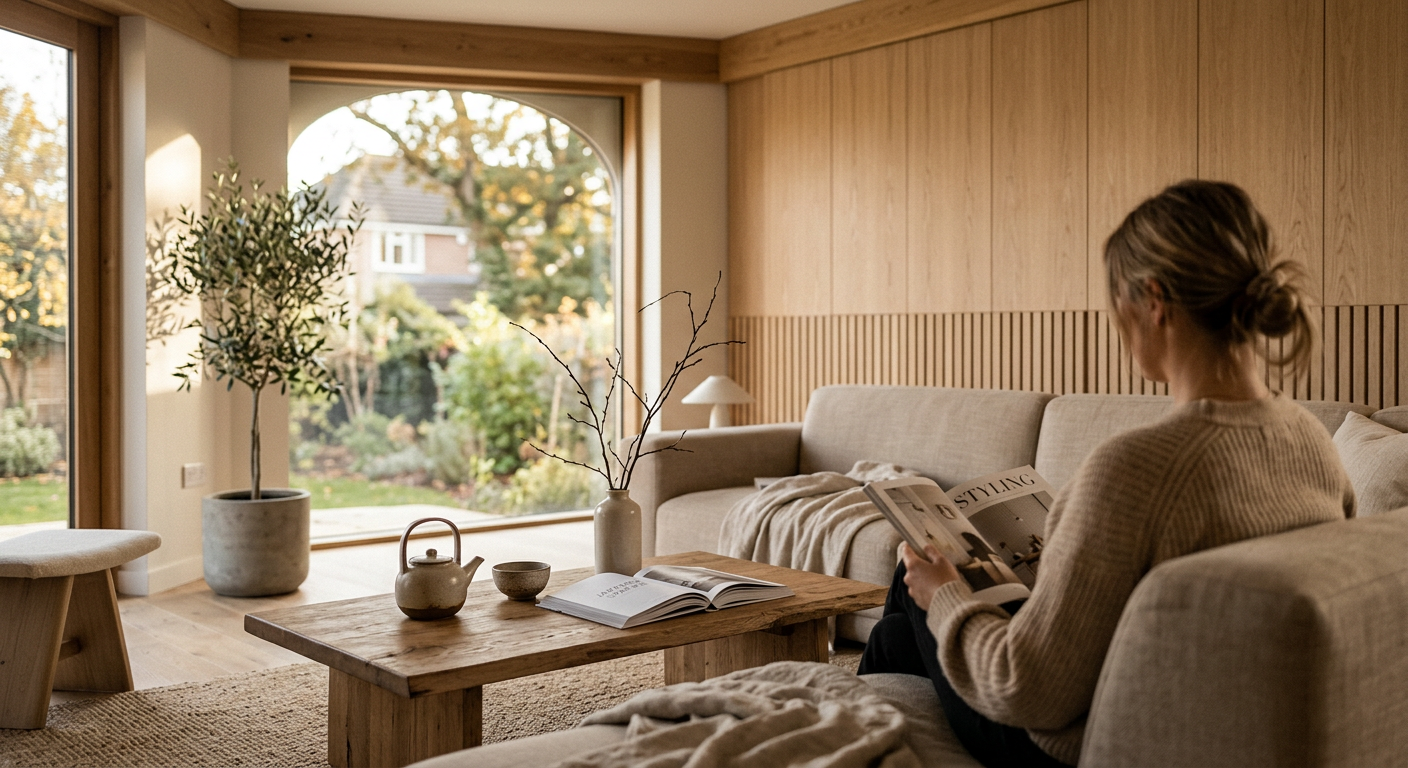
TL;DR: Japandi interior style merges Scandinavian functionality with Japanese wabi-sabi minimalism, creating the exact visual calm millennial buyers pay a premium for in 2026. By utilizing specific organic color palettes, iconic paper-shade lighting, and raw wood textures, listing agents can drastically increase dwell time on property portals. Whether executing physical staging or deploying AI virtual staging, mastering this aesthetic is an essential strategy for marketing high-value urban properties.
According to the Zillow 2026 Consumer Housing Trends Report, properties staged with a minimalist, organic aesthetic receive 34% more saves on the platform than those utilizing traditional transitional staging. Furthermore, a recent RICS market survey in the UK indicated that "move-in ready" urban flats styled with natural woods and neutral tones commanded a 4.2% price premium over equivalent un-staged stock. Millennial and elder-Gen Z buyers are exhausted by visual clutter, mass-produced fast furniture, and generic mid-century modern replicas. They are actively hunting for spaces that photograph like a curated architectural digest feature—spaces grounded specifically in the Japandi interior style. This design language is not just a fleeting Pinterest board obsession; it is a highly calculated real estate marketing tool. Buyers make their primary filtering decisions based on a three-second glance at a hero image on a small mobile screen. If that image projects chaos, heavy velvet, or aggressive primary colors, they swipe past. If it projects the structured serenity of Japandi styling, they pause, click, and book a viewing.Defining the Japandi Interior Style: Where Wabi-Sabi Meets Scandinavian Precision
To execute Japandi staging effectively, you must understand its DNA. Japandi interior style is the deliberate architectural intersection of Scandinavian functionality and Japanese rustic minimalism. It strips away the stark, clinical coldness of pure modernism and replaces it with tactile warmth. The aesthetic relies heavily on intentionality—every item placed in the room must serve an aesthetic or functional purpose, eliminating the clutter that typically distracts buyers from the structural bones of a property.
The Scandinavian influence dictates that everything must be highly functional and well-crafted. There is no room for superfluous decorative objects that solely gather dust. Conversely, the Japanese influence introduces the concept of wabi-sabi—the philosophical practice of finding beauty in imperfection, asymmetry, and natural decay. When staging a property, this means favoring an unpolished, live-edge oak dining table over a high-gloss lacquer finish, or choosing hand-thrown, slightly asymmetrical ceramics over perfectly manufactured vases.
For listing agents, the beauty of this hybrid aesthetic lies in its broad demographic appeal. It reads as expensive without feeling unapproachable or overly precious. It allows the architectural footprint of the property to breathe while providing just enough spatial context to give rooms a clear sense of scale. The visual weight is kept low to the ground, which artificially expands the perceived height of the ceilings.
- Muted, earthy color foundations prioritizing warmth over stark, blinding whites.
- Strict adherence to natural materials (bamboo, rattan, heavy linen, raw oak, walnut).
- Low-profile furniture silhouettes that maximize perceived room volume.
- Curated minimalism prioritizing one oversized focal piece rather than distracting clusters of small items.
The Psychology of the Japandi Style in Real Estate Marketing
The primary objective of property staging is not interior decoration; it is psychological manipulation through visual merchandising. The Japandi interior style excels at this because it inherently lowers the viewer's heart rate. When a potential buyer scrolls through a high-velocity listing portal like ImmoScout24, Hemnet, or Rightmove, they are often bombarded by poorly lit rooms, aggressive virtual staging errors, or spaces crammed with a seller's personal detritus.
Injecting a Japandi style aesthetic into your listing media creates an immediate pattern interrupt. The visual calm communicates that the property is a sanctuary from the urban grind. This is precisely why the look dominates Instagram and TikTok architecture feeds. The aesthetic photographs exceptionally well because it relies on soft, diffused lighting and high-texture surfaces that cast subtle, interesting shadows without blowing out the camera sensor.
The data heavily backs up the aesthetic investment. Properties staged with this specific design language see extended "dwell times" on their individual listing pages. When a buyer spends more time looking at the gallery, examining the textures and lifestyle implied by the staging, the portal's algorithm registers high engagement and pushes the listing higher in organic search results.
- It signals a "turnkey" lifestyle synonymous with luxury boutique hotels, appealing directly to time-poor professionals.
- It aligns seamlessly with eco-conscious consumer values by highlighting sustainable, natural materials rather than plastics.
- It provides a highly flexible blank canvas that helps buyers easily visualize their own belongings in the space.
The Exact Japandi Staging Color Palette (With Hex Codes)
You cannot guess your way into a cohesive Japandi interior style palette. The line between a warm, inviting wabi-sabi space and a depressing, muddy room is incredibly thin. Stagers and agents must rely on specific tones that absorb and reflect natural light in very particular ways. Avoid pure, brilliant white (Hex #FFFFFF) at all costs; it reads as sterile, bounces light too aggressively in photographs, and cheapens the organic textures in the room.
Instead, the foundation should be built on warm off-whites, stone grays, and muted earth tones. When painting physical walls for a flip, or when setting color parameters in your virtual staging software, these tones ensure the room feels deeply grounded. Contrast is introduced not through bright accent colors, but through the dark, rich tones of smoked oak, charcoal, or oxidized architectural metals.
In authentic Japandi staging, color is used strictly to define spatial zones rather than draw attention to itself. The walls, heavy drapery, and major upholstery should fall into the lighter categories, while accent chairs, ceramics, and architectural details utilize the darker contrasting shades to anchor the viewer's eye and provide depth in two-dimensional photography.
- Warm Alabaster (#EAE5D9): The ideal base wall color, reflecting natural light warmly without blowing out highlights.
- Muted Sage (#8A9A86): Perfect for accent textiles, matte ceramics, or subtle botanical staging elements.
- Smoked Walnut (#3E362E): The target color for structural wood elements, slatted wall panels, and low-profile bed frames.
- Stone Greige (#B5B0A1): Excellent for large-scale rugs, heavy linen drapery, and textured concrete plinths.
- Soft Charcoal (#4A4A4A): Used sparingly for hardware, lighting fixtures, and thin metal framing to provide necessary contrast.
Textures and Materials: Building the Tactile Experience
Japandi interior design relies entirely on the tactile experience. Because the color palette is intentionally restrained, a room will feel flat, lifeless, and two-dimensional if you do not layer textures aggressively. When buyers walk through a physically staged property, they should feel compelled to run their hands over the furniture. When they view a virtually staged photo, the textures must be rendered with enough high-fidelity ray tracing that the human brain can almost feel the fabric through the screen.
The core materials of this aesthetic are raw, matte, and organic. Glossy finishes, polished chrome, and mirrored surfaces are the enemy of wabi-sabi. You want materials that look like they will age gracefully and develop a rich patina over decades, even if the staging furniture is technically rented for a six-week sales campaign.
While bouclé was heavily overused and saturated the market in 2023, the focus in 2026 has definitively shifted toward heavier, more architectural fabrics and highly unrefined woods. Slatted wood wall panels, often installed with an acoustic felt backing, remain incredibly effective at adding vertical texture to flat, uninteresting drywall and instantly elevate the perceived build quality of a room.
- Heavy, unbleached linen for all window treatments, duvet covers, and throw pillows.
- Travertine, unpolished sandstone, or poured concrete for coffee tables and sculptural display plinths.
- Matte black cast iron or oxidized bronze for any visible cabinetry hardware or plumbing fixtures.
- Paper cord, woven rattan, or cane for secondary seating and cabinet fronts to allow light to pass through.
5 Hero Furniture Pieces That Define Japandi Staging
Staging a room does not require filling every square foot with inventory. In fact, Japandi styling demands negative space. The empty, quiet space around a piece of furniture is just as important as the furniture itself. To achieve this balance, you need "hero pieces"—statement items that instantly communicate the design language and carry the visual weight of the room without looking bulky or overwhelming the floor plan.
Sourcing these pieces physically can be prohibitively expensive, which is why many high-volume agents utilize a hybrid model. They keep key hero pieces in a physical warehouse for primary living spaces, while using digital solutions for secondary bedrooms and basements. When utilizing virtual staging, instructing the engine to populate specific, recognizable silhouettes drastically elevates the perceived value of the real estate photography.
We are moving past generic box-store staging. Buyers recognize iconic shapes, even if they cannot name the specific designer. Including these distinct silhouettes immediately categorizes the listing in the luxury or premium tier, signaling to buyers that the property warrants a higher asking price.
- The Low-Profile Platform Bed: Typically rendered in solid ash or walnut, featuring wide architectural borders that eliminate the need for bulky nightstands. (Inspiration: Floyd or Thuma).
- The Wishbone Chair (CH24): An absolute staple of Scandinavian design by Hans J. Wegner, perfect for anchoring minimalist dining setups.
- The Cloud-Style Modular Sofa: Upholstered in highly textured linen, sitting very close to the floor to maximize visual wall height and promote lounging. (Inspiration: Menu or Muuto).
- The Noguchi Coffee Table: The ultimate marriage of an organic, sculptural wood base and a heavy glass top, offering functionality without blocking floor sightlines.
- The Sculptural Lounge Chair: A piece heavily featuring paper cord or woven cane, such as the Pierre Jeanneret Capitol Complex chair or classic Carl Hansen designs.
Lighting the Space: The Dominance of Akari and Paper Shades
You can execute the furniture silhouettes and the color palette perfectly, but if the lighting is wrong, the entire Japandi interior style falls apart. The lighting must be ambient, heavily diffused, and relentlessly warm. Heavy, multi-bulb brass chandeliers, crystal pendants, or harsh, cool-toned recessed LEDs completely destroy the carefully curated wabi-sabi atmosphere.
The undeniable star of Japandi lighting in 2026 continues to be the oversized paper lantern, heavily influenced by Isamu Noguchi's iconic Akari light sculptures. These fixtures are constructed from traditional washi paper and thin bamboo ribbing. When illuminated, they emit a soft, glowing, omnidirectional light that softens the hard architectural angles of modern builds and creates deep, comforting shadows.
For listing photography, utilizing oversized paper pendants is a massive secret weapon. Hanging a massive, asymmetrical paper shade low over a dining table immediately draws the buyer's eye upward and serves as a sculptural art piece even when the light is turned off. It is a low-cost, high-impact staging trick that dominates portal thumbnails and generates clicks.
- Always use bulbs with a warm color temperature strictly between 2700K and 3000K; anything cooler feels clinical and ruins the organic palette.
- Rely heavily on floor lamps and low table lamps to create localized pools of light rather than blasting the entire room with flat overhead fixtures.
- Incorporate oversized, asymmetrical washi paper pendants in dining rooms, stairwells, and primary bedrooms.
- Hide the direct light source wherever possible; indirect lighting bouncing off a warm, textured wall is the ultimate goal of Japandi illumination.
Staging Economics: Physical Logistics vs. Virtual Japandi Staging
Executing a high-end Japandi interior style physically requires a significant capital outlay and logistical headache. Authentic raw oak, heavy travertine tables, and delicate designer paper lighting are difficult, fragile, and expensive to transport and install. For a standard four-bedroom urban home, physical luxury staging can easily exceed $8,000 for a standard six-week rental period. While the ROI on physical staging remains strong for ultra-luxury empty new builds, it deeply cuts into agent margins for mid-tier residential properties.
This harsh economic reality is driving the massive industry shift toward high-fidelity virtual staging. However, not all digital rendering is created equal. Older virtual staging tools tend to produce floating, plasticky furniture with inaccurate lighting that triggers the uncanny valley effect, instantly repelling design-conscious buyers. To properly convey Japandi staging, the digital engine must accurately calculate global illumination, handle the complex subsurface scattering of light passing through paper shades, and perfectly render the micro-textures of heavy linen and raw wood.
We built FramePilot AI specifically with these advanced architectural nuances in mind. When an agent inputs a raw, empty room, the system understands the spatial rules of Japandi design—prioritizing negative space, dropping the overall furniture height, and applying the correct warm color grading. We regularly observe split tests where listings utilizing advanced AI staging generate significantly more inbound viewing requests than those relying on mediocre, budget-friendly physical inventory.
| Staging Provider / Method | Upfront Cost (4-Bed Home) | Turnaround Time | Revisions / Style Changes | Render Quality (Shadows/Textures) |
|---|---|---|---|---|
| Traditional Luxury Physical Staging | $7,500 - $12,000 | 7-14 Days | Impossible without new contract | N/A (Physical) |
| BoxBrownie (Standard Virtual) | ~$120 ($30/photo) | 24-48 Hours | $15 per revision | Medium (Pre-rendered assets) |
| Stuccco (Premium Virtual) | ~$156 ($39/photo) | 24 Hours | Limited / Paid per round | High |
| FramePilot AI | $0.00 (with subscription) | Under 60 Seconds | Infinite, instant variations | Photorealistic (Ray-traced Japandi specific) |
FAQ
What is the difference between Japandi and Wabi-Sabi?
Japandi is an overarching interior design hybrid that combines Scandinavian functionality with Japanese design elements. Wabi-Sabi is a specific Japanese philosophical concept focused on finding beauty in imperfection, natural decay, and impermanence. In real estate staging, wabi-sabi is usually represented through raw, unpolished materials and asymmetric shapes placed within the broader, highly structured Japandi layout.
Does Japandi style work in older, traditional homes?
Yes, but it requires careful execution. The Japandi interior style relies on clean, modern lines, which can actually contrast beautifully with ornate historical features like Victorian crown molding, original fireplaces, or ceiling medallions. The key is to strictly avoid overcrowding the room, allowing the modern, low-profile furniture to act as a quiet counterweight to the busy traditional architecture.
Why are hex codes important for virtual real estate staging?
Hex codes ensure strict color accuracy across digital platforms and devices. When using advanced rendering engines like FramePilot AI, inputting exact hex codes for wall colors or textile accents guarantees the final images maintain the specific, warm organic undertones required for the aesthetic, rather than defaulting to generic, cold computer-generated colors that ruin the atmosphere.
Is the Japandi aesthetic just a passing real estate trend?
Real estate market data suggests otherwise. The shift toward natural light, organic materials, and minimalist, uncluttered layouts has been accelerating for over a decade. While specific furniture silhouettes may slowly evolve over time, the core psychological appeal of a calming, grounded space remains a permanent baseline for maximizing property valuation and buyer interest.
How do I make an empty room look Japandi on a budget?
Focus entirely on controlling the color palette and the lighting. Paint the physical walls a warm alabaster, install a large, inexpensive paper pendant light shade, and use digital tools for the heavy lifting. High-quality virtual staging allows you to populate the space with expensive travertine tables and wishbone chairs without incurring massive physical rental and logistics costs.
The Next Step for Your Listings
Mastering the Japandi interior style gives you a highly quantifiable edge in a noisy, inventory-heavy market. Millennial buyers are voting with their clicks, and they are overwhelmingly choosing properties that offer visual serenity, natural textures, and architectural restraint. You no longer have to rely on cheap-looking physical staging inventory or overpriced boutique design agencies to deliver this highly sought-after aesthetic to your clients.
The technology now exists to render world-class, photorealistic interiors that perfectly capture the complex wabi-sabi textures and soft Scandinavian lighting your buyers expect. Stop letting empty rooms or outdated virtual furniture hurt your days on market and drag down your final sale price. Elevate your visual marketing instantly by using FramePilot AI to perfectly stage your next premium listing.