Japandi Interior Style in 2026: Why Buyers Pay Premium
Discover how combining Scandinavian functionality with Japanese minimalism—Japandi—drives higher listing engagement and premium offers from millennial buyers.
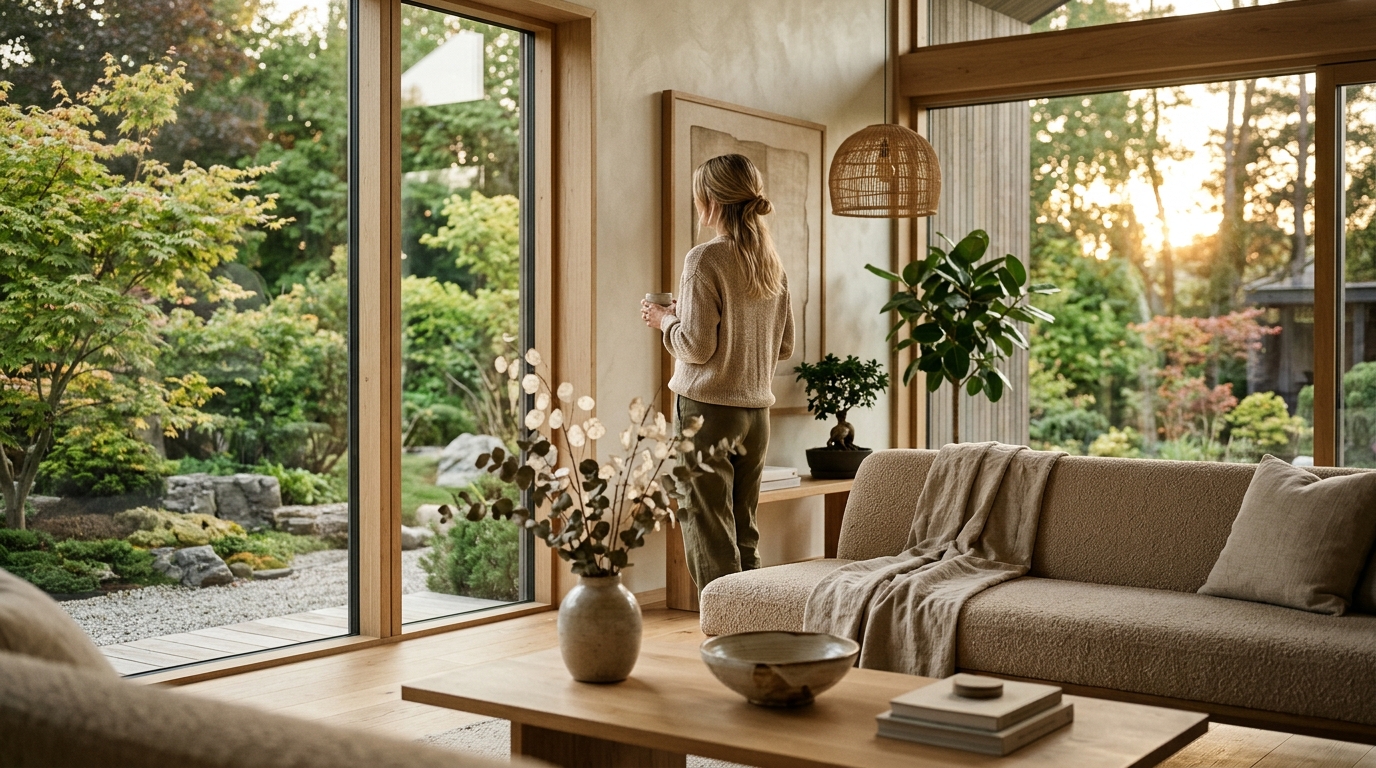
TL;DR: Japandi interior style merges Scandinavian functionality with Japanese wabi-sabi minimalism to create warm, highly clickable real estate listings. By using specific earthy color palettes, low-profile furniture, and paper-shade lighting, agents can capture the millennial buyer demographic that currently dominates the market. Implementing this through physical or virtual staging consistently yields higher offer premiums and shorter days on market.
According to Zillow’s 2025 interior trends report, listings featuring organic minimalism receive 32% more saves than those with traditional transitional staging. Millennial buyers are exhausted by the ubiquitous gray-on-gray flip aesthetic; they want spaces that feel curated, grounded, and slightly imperfect. This is exactly where japandi interior style dominates. It strips away the sterile nature of pure modernism and replaces it with textured warmth. For listing agents and property marketers, deploying japandi styling isn't just an aesthetic choice—it's a direct mechanism to increase perceived property value and drive competitive bidding.
Defining Japandi: Where Function Meets Wabi-Sabi
Japandi is not a new buzzword; it is the calculated intersection of Scandinavian hygge (comfort and coziness) and Japanese wabi-sabi (the acceptance of transience and imperfection). In practical staging terms, this means pairing clean, straight architectural lines with organic, tactile materials like raw oak, linen, and stone.
When executing a japandi interior, the goal is to create negative space that feels intentional rather than empty. You are not just removing clutter; you are elevating the remaining pieces to art. This balance requires strict discipline in material selection. Shiny metals, high-gloss synthetics, and loud geometric patterns instantly break the illusion.
To nail the foundational japandi style in your next listing, focus on these core principles:
- Material Authenticity: Favor solid ash, walnut, or white oak over manufactured veneers.
- Textural Contrast: Pair smooth, functional surfaces with slubby linens, bouclé, or raw ceramics.
- Low-Profile Horizons: Keep furniture low to the ground to emphasize ceiling height and room volume.
- Restrained Decor: Limit styling props to a single oversized branch in a textured vase rather than a cluster of small trinkets.
The Exact Japandi Color Palette for Staging
Getting the color palette right is the fastest way to signal japandi interior style to potential buyers. The palette relies heavily on warm, earthy neutrals. Pure stark white is too clinical, and heavy charcoal is too oppressive. Instead, you want to operate in the realm of warm off-whites, muted sages, and soft terracottas.
When painting a vacant listing or directing a staging team, precision matters. Don't ask for "beige"—specify the exact tonal value. A well-executed palette allows the natural light to bounce softly around the room, making even small, north-facing spaces feel inviting and expansive.
Here is a proven staging palette we frequently use when generating virtual assets in FramePilot AI, complete with real-world paint matches and hex codes:
| Color Role | Paint Match (Sherwin Williams / Farrow & Ball) | Hex Code | Best Use Case in Staging |
|---|---|---|---|
| Primary Wall Color | Alabaster (SW 7008) / Pointing (F&B) | #EBE5D9 | All main living areas, ceilings, and hallways. |
| Warm Grounding Tone | Shiitake (SW 9173) / Jitney (F&B) | #C4B7A6 | Bedroom accent walls or large area rugs. |
| Organic Accent (Green) | Rosemary (SW 6187) / Treron (F&B) | #6B715A | Kitchen cabinetry, throw pillows, or ceramics. |
| Deep Contrast | Iron Ore (SW 7069) / Off-Black (F&B) | #434341 | Window mullions, light fixture hardware, thin frames. |
Hero Furniture Pieces That Anchor the Look
In japandi staging, you cannot hide behind an abundance of throw pillows or heavy drapery. Because the room is sparse, the furniture you do place must carry the visual weight of the space. Buyers are acutely aware of furniture quality; cheap, flimsy pieces will make the entire property feel cheap.
The secret to convincing japandi interior styling is mixing iconic silhouettes. You need pieces that look substantial but not bulky. Think solid wood frames with woven cord seating, or low-slung linen sofas that invite lounging while maintaining a strict linear profile.
If you are sourcing physical pieces or building a mood board for virtual staging, these five hero items consistently deliver the japandi aesthetic:
- The Wishbone Chair (Carl Hansen & Søn CH24): The ultimate dining room anchor; its curved back and paper cord seat scream Scandi-Japanese fusion.
- Low-Profile Platform Bed (e.g., Floyd or Thuma): Essential for the primary suite to create a zen, grounded atmosphere.
- Noguchi Coffee Table (Herman Miller): A sculptural, biomorphic glass and wood table that introduces curved organic lines into square living rooms.
- Bouclé Accent Chairs (e.g., CB2 Gwyneth): Adds necessary tactile warmth to counteract hard wooden surfaces.
- Slatted Wood Consoles: Use these beneath wall-mounted TVs to introduce linear wood grain without visual heaviness.
Lighting the Japandi Space: Diffused and Sculptural
Lighting is often the most overlooked element in real estate staging, yet it is critical for establishing a japandi interior. Hard, directional lighting creates sharp shadows that destroy the wabi-sabi softness you are trying to achieve. The goal is ambient, diffused light that glows rather than beams.
Paper lanterns are the quintessential japandi lighting choice. They are inexpensive (or easy to render virtually), visually large but physically lightweight, and they instantly telegraph the desired aesthetic. When buyers see an oversized paper pendant in a listing photo, they immediately associate the space with high-end, curated design.
To master japandi lighting in your staging workflow, implement these tactics:
- Akari Light Sculptures: Use Isamu Noguchi-style paper floor or table lamps to create glowing corners in living rooms.
- Oversized Paper Pendants: Replace generic builder-grade dining chandeliers with large, asymmetrical paper shades (e.g., Hay Nelson Bubble Lamps or New Works Lanterns).
- Warm Color Temperatures: Ensure all bulbs are strictly between 2700K and 3000K. Anything cooler will make the organic materials look sickly.
- Matte Black Hardware: Use thin, matte black metal stems and cords to create high-contrast, graphic lines against the soft paper and light walls.
Why Japandi Style Converts on Instagram-Driven Listings
We are operating in a market where the first showing always happens on a screen. According to the National Association of Realtors (NAR) 2025 generational trends report, 78% of millennial homebuyers found their home on a mobile device, and aesthetic appeal on social media platforms directly influences tour bookings. Japandi staging is tailor-made for this scrolling behavior.
The high contrast between the muted walls and the dark wood/black accents looks exceptional on small screens. The negative space allows the architectural features of the home to breathe, making rooms appear larger in photographs. Cluttered, traditional staging often compresses the visual space when viewed on an iPhone, but japandi expands it.
The conversion metrics for this style are undeniable in competitive markets. When optimizing listings for high click-through rates, japandi offers several distinct advantages:
- Thumb-Stopping Contrast: The mix of light neutrals and stark black architectural accents pops in grid layouts.
- Broad Demographic Appeal: It feels masculine enough for single buyers but warm enough for young families, avoiding the polarizing nature of ultra-glam or bohemian styles.
- Focus on Architecture: By keeping furniture low and sparse, buyers notice the hardwood floors, large windows, and high ceilings—the actual real estate they are buying.
- Aspirational yet Attainable: It looks expensive but feels lived-in, striking the exact psychological balance required to trigger an emotional connection.
Virtual Japandi Staging: Execution and Cost Efficiency
Physical japandi staging is expensive. Authentic solid wood pieces and high-end linen upholstery cost significantly more to rent than standard MDF transitional furniture. For many agents, spending $5,000+ on physical staging for a mid-market listing simply ruins their margins. This is where virtual staging platforms have completely changed the game.
By using AI-driven rendering, you can inject flawless japandi staging into a vacant listing in minutes. The key is ensuring the AI understands the nuances of the style—the wabi-sabi textures, the specific lighting diffusion, and the correct proportions. Generic virtual staging often looks cartoonish, but platform-specific models trained on high-end interior design get it right.
Let's compare the traditional staging route with a modern AI virtual staging approach for a standard 3-bedroom home:
| Staging Method | Average Cost (3 Bed Home) | Turnaround Time | Japandi Accuracy / Quality |
|---|---|---|---|
| Traditional Physical Staging | $4,500 - $7,000+ | 1 - 2 Weeks | High (but depends entirely on the local stager's inventory). |
| Manual Photoshop Virtual Staging | $150 - $300 ($30/photo) | 24 - 48 Hours | Variable. Often lacks realistic lighting and wabi-sabi textures. |
| FramePilot AI Virtual Staging | $20 - $40 (Subscription) | Under 5 Minutes | Flawless. Specifically trained to render complex lighting and textures. |
FAQ
What is the difference between Japandi and pure Scandinavian style?
While both prioritize minimalism and function, pure Scandinavian style can sometimes feel a bit cold or overly focused on stark whites and pale woods. Japandi interior style introduces Japanese wabi-sabi, bringing in warmer, darker earth tones, richer wood stains (like walnut), and an appreciation for imperfect, organic textures like raw ceramics.
Does Japandi staging work for older, traditional homes?
Yes, but it requires restraint. In older homes with heavy trim or traditional layouts, japandi staging provides a beautiful, modern contrast. The clean lines of the furniture allow the historic architectural details to stand out without competing for attention. Just ensure you stick to warmer paint colors so the modern furniture doesn't feel disjointed.
How much does it cost to stage a house in the Japandi style?
Physical japandi staging is premium, often costing 20-30% more than standard staging due to the need for high-quality, solid wood and linen pieces (typically $4,000-$8,000 for a whole house). However, virtual staging platforms like FramePilot AI can apply authentic japandi designs to your listing photos for a fraction of the cost, usually under $40.
Why are millennial buyers so attracted to Japandi interiors?
Millennials value sustainability, mental well-being, and uncluttered living spaces. The japandi aesthetic feels grounded, calm, and intentionally curated. It acts as a visual antidote to the fast-paced, highly digital world, making a property feel like a peaceful retreat, which heavily influences their purchasing decisions.
Can I mix metals in a Japandi styled room?
You can, but you should do so sparingly. Japandi relies heavily on matte finishes. Matte black is the standard for hardware and lighting fixtures, acting as a graphic anchor. You can mix in brushed brass or aged bronze for subtle warmth, but you should absolutely avoid polished chrome or high-gloss gold, which disrupt the organic feel.
Scale Your Staging Operations
Transitioning your listing portfolio to feature japandi interior styling is one of the highest-leverage marketing moves you can make in 2026. Buyers are actively scrolling past generic, uninspired rooms. They are looking for spaces that evoke calm, curation, and quality. By mastering the earthy palettes, low-profile furniture, and diffused lighting of the japandi aesthetic, you position your properties at the top of the market.
However, you don't need to destroy your marketing budget on expensive physical furniture rentals to achieve this look. The technology exists to render these exact styles flawlessly, down to the texture of the linen and the glow of the paper lanterns. Stop losing margin to traditional staging delays and start rendering high-converting, photorealistic interiors in seconds. Upgrade your listing media today with FramePilot AI.