Is Virtual Staging Worth It in 2026? Real Data & ROI
Discover if virtual staging delivers real ROI. We break down the costs, days on market data, and compare top virtual vs physical staging solutions.
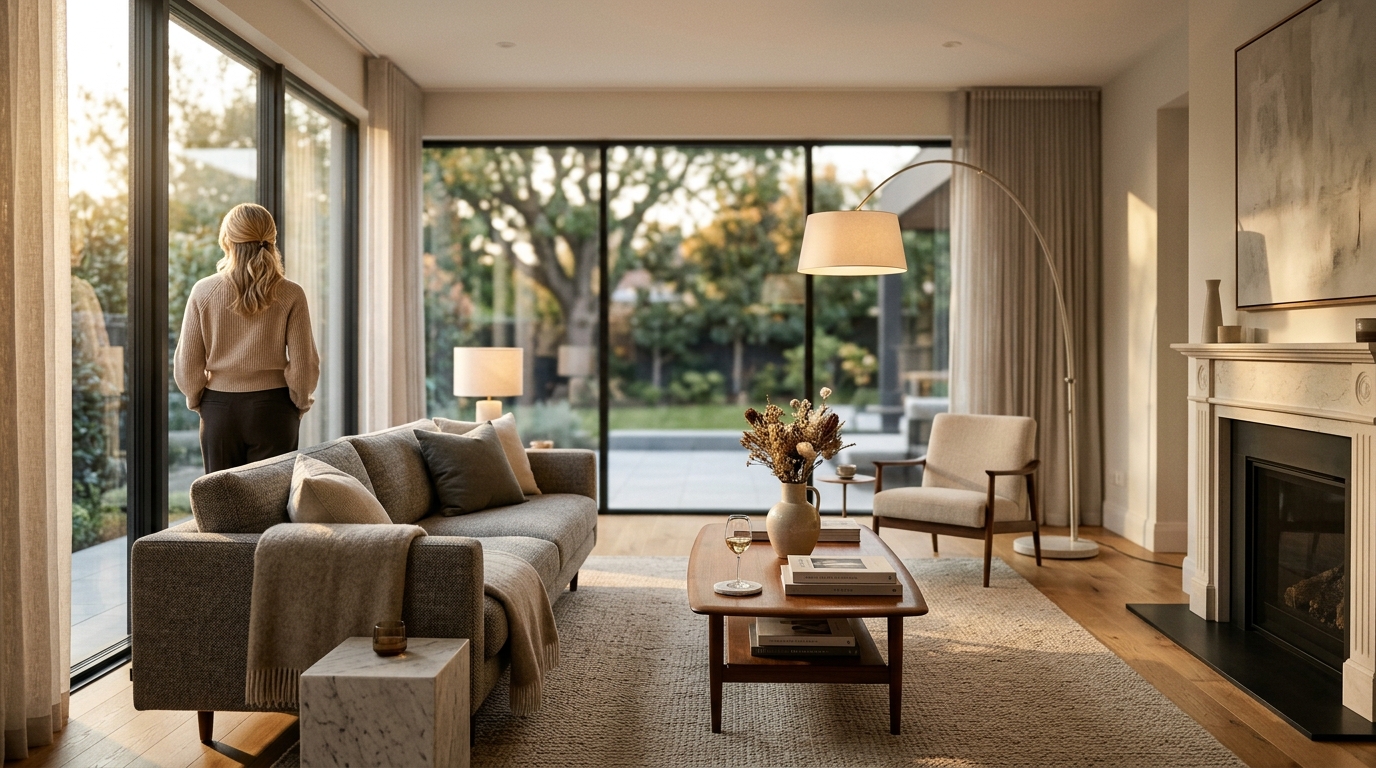
TL;DR: Yes, virtual staging is worth it for vacant properties, offering an average ROI of over 1,000% when factoring in reduced carrying costs and holding times. While physical staging costs between $1,500 and $3,000 for a standard home, virtual home staging achieves similar buyer engagement metrics at a fraction of the price, typically under $40 per room.
According to the National Association of Realtors (NAR), staged homes spend 73% less time on the market than their vacant counterparts. But for decades, the barrier to entry was the exorbitant cost of renting physical furniture and hiring interior designers. Now, the math has fundamentally shifted. With high-end digital alternatives virtually indistinguishable from real photography, brokers and listing agents are forced to evaluate hard numbers: the carrying cost of a vacant listing versus the minimal capital expenditure required to digitize an empty room. This isn't about aesthetic preference; it is a strict exercise in gross margin and days on market (DOM) reduction.
The Raw Economics of Virtual Home Staging
To determine if virtual staging is worth it, we must first look at the baseline virtual staging cost. Traditional staging requires an initial consultation fee, monthly furniture rental, and delivery/pickup charges. Virtual staging replaces this logistical nightmare with a flat, per-image fee. The financial disparity is vast, but the real impact is seen on the balance sheet at closing.
When you market a vacant property, the rooms appear smaller, colder, and lack scale. Buyers struggle to visualize where a king-sized bed or a standard sectional sofa might fit. By injecting photorealistic furniture into the listing photos, you bridge that imagination gap. The virtual staging ROI is generated not just by a higher sales price, but by accelerating the transaction and cutting the seller's monthly carrying costs (mortgage, taxes, utilities).
- Initial Outlay: Typical digital staging costs range from $15 to $40 per image, meaning a core four-room package (living, dining, primary bed, outdoor) runs under $160.
- Holding Cost Reduction: Shaving just 15 days off the DOM on a property with a $3,000 monthly carrying cost saves the seller $1,500.
- Price Uplift: The Real Estate Staging Association (RESA) consistently notes that staged properties often command a 1% to 5% higher valuation than unstaged neighbors.
Virtual Staging vs Physical Staging: A Direct Comparison
The debate of virtual staging vs physical staging comes down to the specific needs of the listing. Ultra-luxury properties ($10M+) still heavily rely on physical staging because the buyer expects a tactile experience during private showings. However, for the vast majority of residential real estate, the initial buyer screening happens entirely online. If the digital listing fails to capture attention, the physical showing never occurs.
Modern buyers scroll through portals like Zillow and Rightmove at breakneck speeds. They are evaluating layout, light, and livability through a screen. Physical staging caters to the in-person tour, while virtual staging is purely a digital marketing lever designed to drive inbound showing requests. Here is how the dominant market options stack up financially and operationally.
| Provider / Method | Average Cost (4 Rooms) | Turnaround Time | Revisions | Best Use Case |
|---|---|---|---|---|
| Traditional Physical Staging (e.g., Meridith Baer) | $2,500 - $5,000+ | 1-2 Weeks | Costly / Logistical Nightmare | Ultra-Luxury, High-End Developer Spec Homes |
| BoxBrownie | $96 - $136 | 24-48 Hours | Limited / Extra Fees | Standard mid-tier residential listings |
| FramePilot AI | $0 - $35 (Sub/Tier based) | Minutes | Instant via AI generation | High-volume agents, fast turnarounds, consistent quality |
| Stuccco | $116 - $156 | 12-24 Hours | Included within reason | Boutique brokerages needing specific design styles |
Calculating the ROI for Your Portfolio
If you manage a high volume of listings, deploying a consistent staging strategy across your portfolio is non-negotiable. But how do you quantify the exact return on investment? You measure it by analyzing the delta between your baseline unstaged DOM and your staged DOM, multiplied by the daily carrying cost of the asset.
Let's assume a median home price of $450,000. The seller's holding costs (taxes, insurance, mortgage interest, HOA) might total $2,250 a month, or $75 a day. If unstaged listings in that submarket average 45 days on market, and digitally staged listings average 25 days, the virtual staging saves 20 days. That is $1,500 in preserved equity for a marketing expense of roughly $120. That translates to an ROI of 1,150%.
- Baseline Metric: Track your current average DOM for vacant properties over the last 12 months.
- Implementation: Apply virtual home staging to the next 5 vacant listings.
- Measurement: Compare the new DOM average and the final sale price against the listing price (Sale-to-List ratio).
- Client Communication: Use this math in your listing presentations to prove you protect seller equity.
When Virtual Staging Backfires (When NOT to Use It)
For all its benefits, digital staging is not a magic wand. Misusing the technology can severely damage an agent's credibility and kill a deal before the buyer even submits an offer. The primary risk lies in misrepresentation. If a buyer feels tricked when they walk through the front door, their trust in the agent and the property evaporates instantly.
Furthermore, poorly executed digital staging—where furniture floats above the floor, shadows fall in the wrong direction, or proportions are wildly inaccurate—makes a listing look cheap. It signals to the market that the agent cuts corners, which invites lowball offers. Knowing when to keep a property vacant or opt for a physical clean-up is just as important as knowing when to stage.
- Hiding Structural Flaws: Never use digital staging to cover up water damage, cracked drywall, or ruined flooring. This is borderline fraudulent.
- Altering Fixed Features: Do not virtually change the color of existing cabinets or remove permanent fixtures unless you clearly label the image as "Proposed Renovations."
- Mismatched Proportions: Stuffing a virtual king bed into a 9x9 bedroom creates false expectations that will immediately frustrate buyers during the walkthrough.
How Buyers Actually Perceive Digitally Staged Listings
The consumer acceptance of digitally augmented listings has shifted dramatically over the past five years. Zillow internal data suggests that listings featuring 3D tours, interactive floor plans, and high-quality staged photos receive up to 2x the page views. Buyers are no longer alienated by a watermark or a caption that reads "Virtually Staged." They understand the utility of the technology.
However, transparency is the defining factor of success. The most effective practitioners provide a side-by-side experience. They showcase the beautifully staged digital image to hook the buyer, followed immediately by the raw, vacant photo to set accurate expectations for the physical showing. This dual-image approach educates the buyer on spatial potential without risking disappointment.
- Include a clear, discreet watermark on all digitally altered photos.
- Always include the vacant photo in the MLS gallery right after the staged version.
- Ensure the architectural style of the digital furniture matches the neighborhood and property type (e.g., no ultra-modern Italian leather in a rustic farmhouse).
FAQ
How much does virtual staging cost on average?
Virtual staging typically costs between $15 and $40 per photo, depending on the provider and the complexity of the room. A standard package covering the living room, dining room, primary bedroom, and kitchen usually totals less than $150, making it a highly cost-effective marketing tool.
Do I have to disclose that a property is virtually staged?
Yes. Most MLS guidelines strictly require agents to disclose virtual staging. You should add a watermark to the images and explicitly state in the property description that the home has been digitally staged to ensure complete transparency with buyers.
Can virtual staging help sell a house faster?
Data consistently shows that staged homes—whether physical or virtual—sell faster than vacant ones. By helping online buyers visualize the potential of an empty space, you increase click-through rates on property portals, which directly translates to more physical showings and faster offers.
Is virtual staging better than physical staging?
It depends on the property. Virtual staging is far superior for ROI on standard and mid-tier residential properties due to its low cost and speed. Physical staging remains better for ultra-luxury homes where buyers expect a highly curated, tactile experience during in-person tours.
Can I virtually stage a messy or occupied room?
Yes, through a process called virtual decluttering. Advanced platforms can digitally remove existing furniture, personal items, and clutter from a photo before adding fresh virtual staging. This usually carries a small additional cost per image.
The Final Verdict and Next Steps
The data is conclusive: leaving a listing vacant is a liability. Buyers lack the spatial awareness required to visualize a home's potential, and vacant rooms routinely translate to higher days on market and lower closing prices. When analyzing virtual staging vs physical staging, the digital route provides 90% of the marketing leverage for less than 5% of the cost. If you are serious about protecting seller equity and moving inventory efficiently, adopting this technology is a baseline requirement for your marketing stack.
Stop losing days on market to empty, lifeless listing photos. By utilizing modern AI tools, you can transform a vacant shell into a highly desirable home in minutes, not weeks. Ready to scale your listing marketing with zero logistical headaches? Start generating photorealistic interiors today with FramePilot AI.