How Virtual Staging Increases Property Sale Speed in 2026
Discover how virtual staging with FramePilot AI slashes days on market, increases click-through rates, and helps buyers visualize their future home instantly.
The Evolution of Real Estate: Why Speed Matters in 2026
In today's fast-paced real estate market, the first 72 hours of a listing are critical. As digital-first buyers dominate the landscape, the visual appeal of a property is no longer just a luxury—it is the primary engine of transaction speed. Statistics from the National Association of Realtors consistently show that staged homes sell significantly faster than empty ones. However, traditional staging can take weeks to coordinate. This is where FramePilot AI steps in, transforming the way agents approach property presentation.
Virtual staging has pivoted from being a "niche alternative" to a "standard requirement." By leveraging advanced algorithms, tools like FramePilot allow agents to showcase the full potential of a space without the logistical nightmare of renting physical furniture. In this guide, we will explore how virtual staging directly impacts sale speed and how you can use FramePilot AI to stay ahead of the competition.
How Virtual Staging Compresses the Sales Timeline
1. Instant Emotional Connection
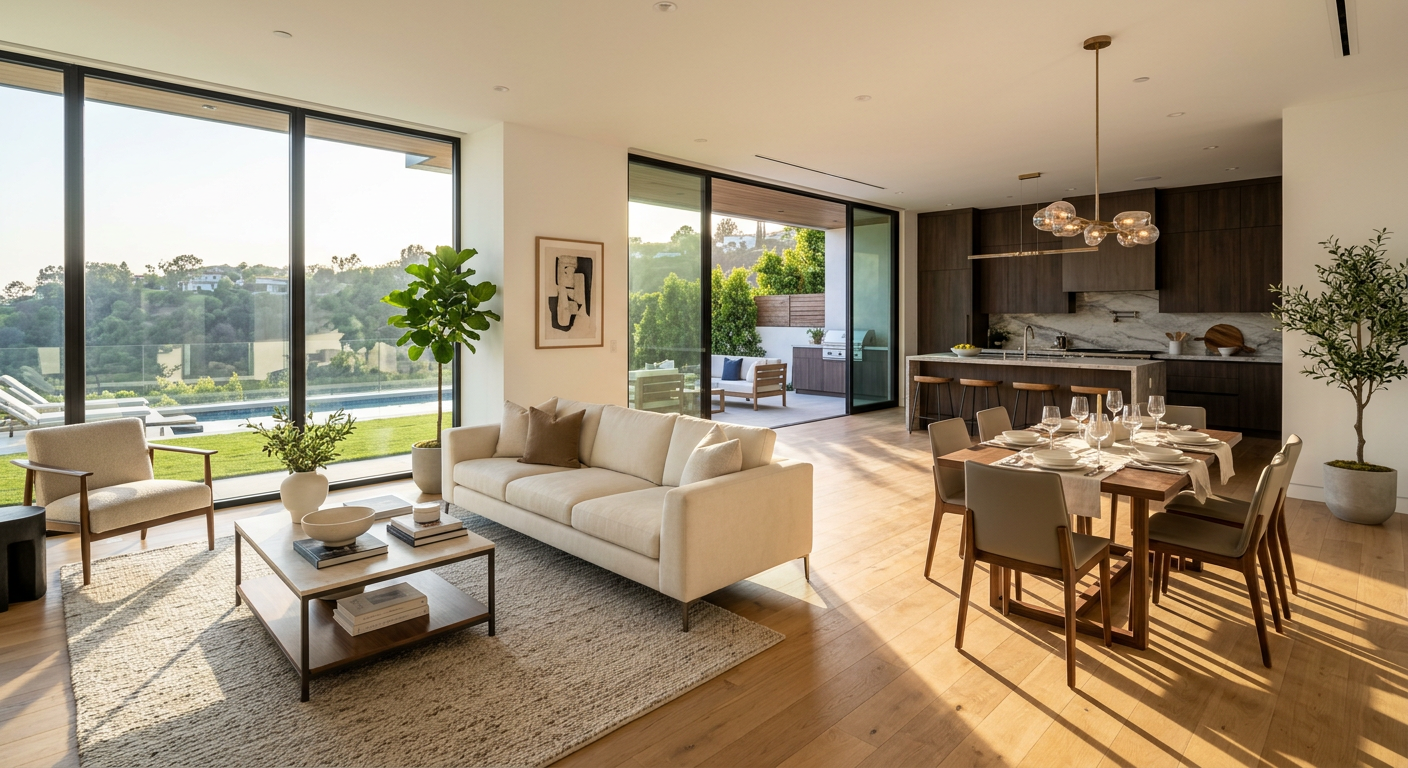
Cold, empty rooms often feel smaller and more clinical than they actually are. Most buyers lack the "spatial imagination" to visualize how their life fits into a vacant house. Virtual staging fills that gap immediately. When a buyer scrolls through a listing, a virtually staged living room creates an instant emotional hook. By using the FramePilot AI platform, you can generate high-end, photorealistic interiors that help buyers envision themselves living in the home from the very first click.
2. Eliminating Lead Time
Traditional staging requires consultations, furniture delivery, and manual setup—often adding 7 to 14 days to your "pre-market" phase. With FramePilot AI, that timeline is reduced to minutes. You can take a photo of an empty room and have a professionally designed interior ready for the MLS the same afternoon. Reducing the time-to-market ensures you capture buyer interest while the listing is fresh.
3. High-Performance Digital Marketing
Properties with high-quality staged photos receive up to 40% more click-throughs on platforms like Zillow and Redfin. More clicks lead to more showings, and more showings lead to faster offers. The precision of the FramePilot AI tool ensures that lighting, shadows, and textures look authentic, preventing the "uncanny valley" effect that can sometimes deter savvy buyers.
Maximizing ROI with FramePilot AI Technology
The beauty of modern virtual staging lies in its versatility. It isn't just about placing a sofa in a corner; it's about strategic interior design focused on conversion. Here is how professional agents are using FramePilot to move inventory faster:
- Design for the Demographic: If the property is in a hip urban neighborhood, use FramePilot to select "Industrial Modern" styles. For suburban family homes, "Transitional" or "Farmhouse" styles often resonate better.
- Showing Multiple Use Cases: Turn a spare bedroom into a home office and a nursery in two separate shots. This shows buyers the versatility of the floor plan, widening your pool of potential leads.
- Decluttering and Enhancing: FramePilot AI isn't just for empty rooms. Use it to virtually "remove" dated furniture or clutter from occupied homes, presenting the cleanest possible version of the property.
The Financial Impact: Decreasing Days on Market (DOM)
Data suggests that staged homes sell up to 50% faster than non-staged homes. In a high-interest-rate environment, every day a property sits on the market costs the seller money in holding costs. By integrating FramePilot into your workflow, you are providing a value-add service that pays for itself ten times over by shortening the DOM (Days on Market).
Furthermore, virtual staging allows for "as-is" listings to be presented as "what-could-be" listings. For properties needing renovation, FramePilot AI can virtually paint walls or update flooring, helping buyers look past cosmetic flaws that might otherwise lead to low-ball offers or extended negotiations.
Practical Tips for Real Estate Professionals
To get the most out of your virtual staging efforts, follow these best practices:
- Use High-Resolution Originals: The better your base photo, the more realistic the FramePilot enhancement will be. Use a wide-angle lens and shoot during the "golden hour" if possible.
- Be Transparent: Always include a disclaimer in your listing that photos have been virtually staged. You can even include a "before and after" slider on your website to show the transformation.
- Consistency is Key: Ensure the furniture style is consistent throughout the entire home to create a cohesive "flow" during the digital walkthrough.
Conclusion: The Future is FramePilot
In 2026, the speed of the sale is dictated by the quality of the digital experience. Virtual staging has moved from a "nice-to-have" to a mission-critical tool for any serious real estate professional. By utilizing FramePilot AI, you can eliminate the costs and delays of traditional staging while providing a stunning visual narrative that captures buyer imagination and accelerates the closing process.
Don't let your listings linger in the "vacant" category. Elevate your brand, impress your sellers, and close deals faster by making FramePilot a permanent part of your marketing toolkit. Start your next project at getframepilot.com and see the difference AI-driven staging can make.