How to Choose the Right Virtual Staging Style for Your Listing
Unlock the secrets to choosing the perfect virtual staging style for your real estate listings. Learn how to use FramePilot AI to boost engagement and sell 30% faster.
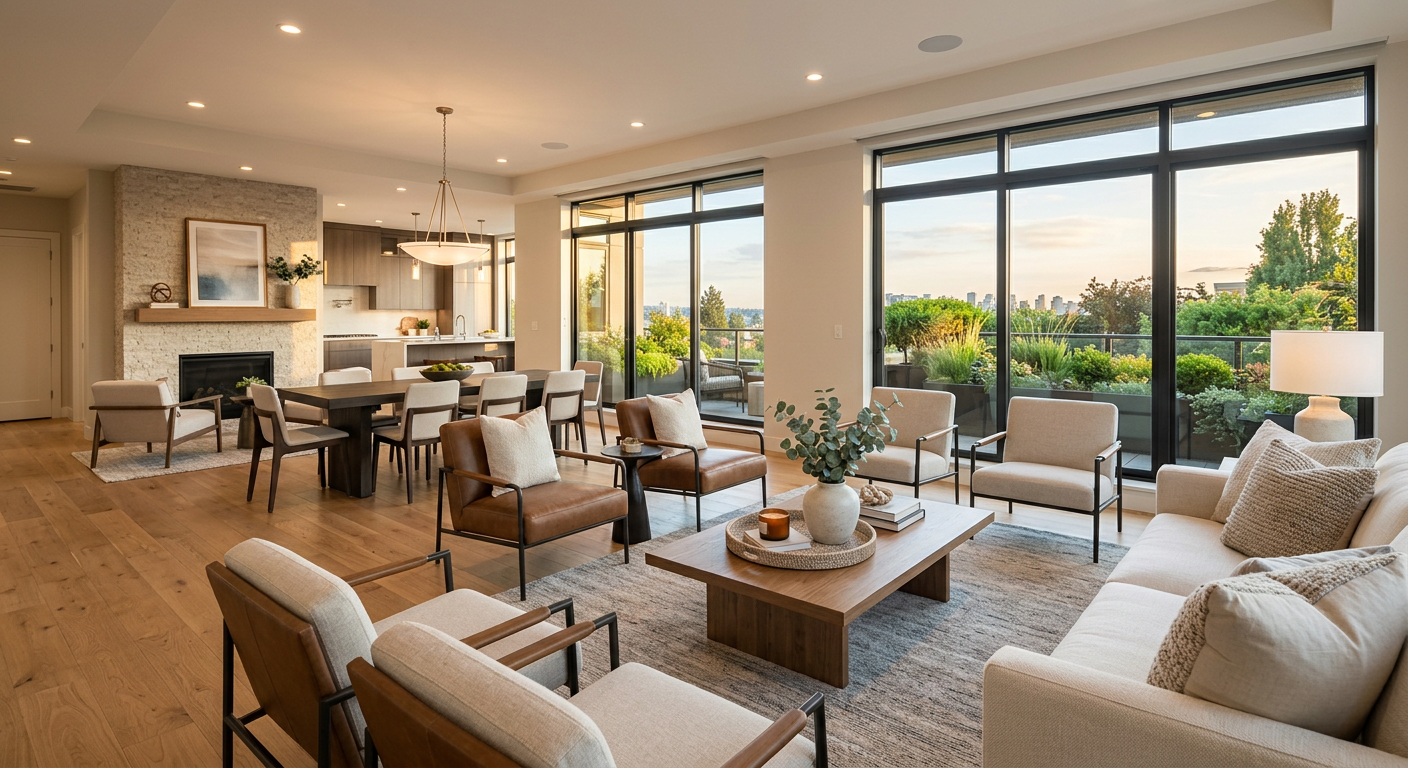
In today’s digital-first real estate market, first impressions happen on a smartphone screen long before a potential buyer steps onto the property. With over 90% of buyers starting their home search online, the visual appeal of your listing is the single most important factor in securing a showing. Empty rooms look small and cold, but FramePilot AI makes it possible to transform these blank canvases into aspirational living spaces through high-end virtual staging.
However, simply adding furniture isn’t enough. Choosing the wrong style can actually alienate your target demographic. To maximize your Return on Investment (ROI), you must align the interior aesthetic with the architecture of the home and the lifestyle of the likely buyer. In this guide, we will explore how to select the perfect virtual staging style using tools like FramePilot AI to drive faster sales and higher offers.
Understanding Your Target Demographics
Before you open the FramePilot AI dashboard, you need to know who you are selling to. A downtown studio apartment requires a vastly different approach than a suburban family home. Consider these three factors:
- The "Buyer Persona": Is your buyer a young professional, a growing family, or a retiree looking to downsize?
- The Price Point: Luxury listings demand "Modern Elegance" or "Transitional" styles, while entry-level homes benefit from "Scandi" or "Contemporary" looks that feel attainable.
- The Neighborhood Vibe: An industrial loft in a converted warehouse should lean into its "Urban Industrial" roots, whereas a cottage near the coast should embrace "Coastal Modern."
The Top 5 Virtual Staging Styles for 2026
With FramePilot, you have access to a variety of design libraries. Here are the most effective styles currently dominating the real estate market:
1. Modern Contemporary
This is the "safe bet" for almost any listing. It features clean lines, neutral palettes (greys, whites, and beiges), and minimalist Decor. It feels fresh and allows buyers to imagine their own belongings in the space. It is particularly effective for new constructions and renovated apartments.
2. Transitional (The Crowd Pleaser)
Transitional design is a marriage of traditional and modern. Think comfortable, plush sofas paired with sleek metal coffee tables. This style bridges the gap between generations, making it the perfect choice for family homes in established suburban neighborhoods.
3. Scandinavian (Scandi)
Focusing on functionality and simplicity, Scandi style uses light woods, organic shapes, and plenty of "white space." This style is exceptional for smaller rooms because it creates an illusion of airiness and light. If you are working with a tight space, the FramePilot AI platform can help you apply a Scandi layout to make the room feel twice as large.
4. Urban Industrial
Characterized by exposed brick, dark metal accents, and reclaimed wood, this style is a must for lofts and urban condos. It highlights architectural "imperfections" as premium features rather than flaws.
5. Farmhouse Chic
Still incredibly popular in rural and suburban markets, this style focuses on "hominess." Using FramePilot AI to add shiplap textures, rustic dining tables, and cozy textiles can make a house feel like a home instantly, appealing to emotional buyers.
Maximizing Your Listing with FramePilot AI
One of the biggest challenges in real estate marketing is the cost and time associated with physical staging. Traditional staging can cost thousands of dollars per month. By contrast, using the FramePilot AI tool allows you to experiment with different styles at a fraction of the cost.
The FramePilot AI engine uses advanced computer vision to ensure that the furniture scale is mathematically accurate. This prevents the "uncanny valley" effect where furniture looks like it is floating or is disproportionately large for the room. When buyers visit the property in person, they won't feel misled because the virtual staging provided by FramePilot respects the physical boundaries of the space.
Practical Tips for Virtual Staging Success
To get the best results from your digital makeover, follow these professional tips:
- Stay Neutral: Avoid overly bold colors or niche "maximalist" designs. You want the buyer to focus on the house, not the neon orange sofa.
- Highlight Functionality: If a room is awkwardly shaped, use FramePilot to show how a desk or an armchair fits perfectly in that "dead" corner.
- Match the Exterior: If the outside of the house is a classic Victorian, don't stage the inside as a sterile laboratory. Ensure there is a cohesive flow from the curb to the interior photos.
- Disclose Virtual Staging: Always include a small disclaimer on your listing photos or in the description. Transparency builds trust with potential buyers.
The ROI of Modern Staging
Data from the National Association of Realtors (NAR) consistently shows that staged homes sell up to 30% faster than non-staged ones. Furthermore, 82% of buyers' agents say staging makes it easier for a buyer to visualize the property as a future home. By leveraging FramePilot AI, agents can provide this visualization for every single listing, regardless of the price point or condition of the property.
Conclusion
Choosing the right virtual staging style is a strategic decision that balances architectural context with buyer psychology. Whether you are aiming for the sleek sophistication of Modern Contemporary or the warmth of Transitional design, the key is consistency and quality.
By utilizing the powerful features of FramePilot AI, you can transform empty, uninspiring rooms into breathtaking living spaces that capture hearts and encourage higher offers. Don't let your next listing sit idle on the market—give it the digital edge it deserves with FramePilot.