Color Psychology in Property Staging: Selling Homes with AI
Master color psychology in real estate staging. Learn how the right hues increase property value and how FramePilot AI helps you visualize the perfect palette for buyers.
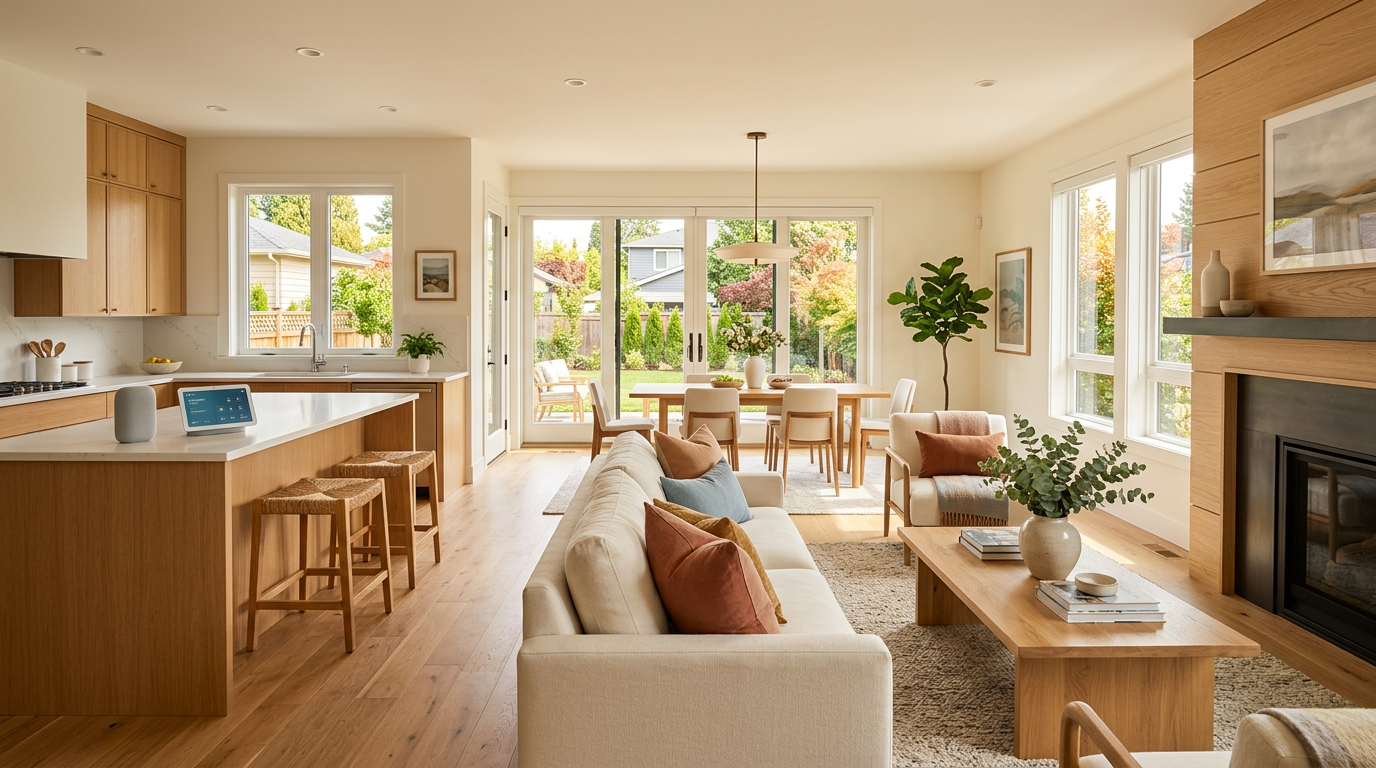
In the competitive world of real estate, first impressions are often made in milliseconds. While layout and lighting are critical, one of the most powerful—yet frequently overlooked—tools in a stager’s arsenal is color psychology. The colors used in a home's marketing images don't just dictate aesthetic appeal; they trigger subconscious emotional responses that can determine whether a buyer schedules a viewing or keeps scrolling.
With the rise of digital-first browsing, FramePilot AI has become an essential tool for agents looking to master these psychological cues instantly. By using AI-driven virtual staging, professionals can swap color palettes to align with the specific neurological triggers of their target demographic. In this guide, we’ll explore how to use color psychology to sell properties faster and how FramePilot AI makes this process seamless.
The Science of Color: How It Influences Home Buyers
Color psychology is the study of how hues affect human behavior and mood. In real estate, the goal is to create a "neutral-plus" environment—one that feels lived-in and warm but remains a blank canvas for the buyer's imagination. Recent industry data suggests that homes with specific color schemes can sell for up to 5% more than those with clashing or outdated palettes.
- Blue: Often associated with serenity, trust, and productivity. Soft blues in bathrooms or bedrooms can create a "spa-like" retreat.
- Green: Symbolizes growth and renewal. It works exceptionally well in kitchens or sunrooms to connect the indoors with nature.
- Gray/Greige: These remain the "safe" anchors of modern staging, providing a sense of sophistication and broad appeal.
- Yellow: Generally avoids being a primary wall color, but as an accent, it evokes happiness and energy.
Room-by-Room Color Strategies with FramePilot AI
Every room serves a different purpose, and your color choices should reflect that functionality. Utilizing the FramePilot AI platform allows you to experiment with these palettes without the cost of physical repainting or furniture rental.
The Living Room: Establishing Connection
The living room is where families gather. To foster a sense of warmth, consider "Warm Neutrals." Shades like oatmeal, sand, or soft terracotta create an inviting atmosphere. Avoid stark whites, which can feel clinical. If your original listing photos feel cold, FramePilot AI can virtually replace heavy, dark furniture with light-toned pieces that open up the space and emphasize these warm undertones.
The Bedroom: Cultivating Rest
Psychologically, the bedroom should be a sanctuary. Cool tones like sage green or slate blue lower the heart rate and promote relaxation. According to recent market trends, "Moody" bedrooms with deep navy accents are currently trending among Gen Z and Millennial buyers, adding a touch of luxury and seclusion.
Leveraging FramePilot AI for Targeted Marketing
Different demographics respond to different palettes. A luxury penthouse in Manhattan requires a different psychological approach than a suburban family home in the Midwest. This is where FramePilot truly shines. Instead of committing to one physical look, you can generate multiple versions of a room tailored to different "buyer Personas."
For example, you can use the FramePilot AI tool to create a minimalist, high-contrast black-and-white aesthetic for urban professionals, and then generate a softer, more colorful "Cottagecore" version for buyers looking for a cozy family nest. This multi-track marketing strategy ensures your property resonates emotionally with the widest possible audience.
Practical Tips for Immediate Application
- Follow the 60-30-10 Rule: 60% of the room should be a dominant neutral color, 30% a secondary color (upholstery), and 10% a bold accent color (pillows, art).
- Mind the Natural Light: North-facing rooms feel cooler; use warmer tones to balance the light. South-facing rooms can handle bolder, darker colors.
- Test Before You Invest: Use FramePilot AI to visualize color changes before hiring contractors. It saves thousands in potential "re-do" costs.
- Don't Forget the Front Door: Data shows that "Cool Black" or "Deep Blue" front doors can significantly increase the perceived value of a home's curb appeal.
Conclusion: The Future of Staging is Psychological
Color is more than just a design choice; it is a communication tool. By understanding the subconscious impact of different hues, real estate professionals can craft a narrative that speaks directly to a buyer's desires and aspirations.
Advancements in technology mean you no longer need a degree in interior design to get these colors right. By integrating FramePilot AI into your workflow, you can apply expert color psychology to any listing with a few clicks. Whether you're trying to make a small studio feel airy or a large manor feel intimate, the right colors—applied through the power of FramePilot—will ensure your property doesn't just get seen, but gets sold.